Channel management for vacation rentals: automate, optimize, grow
Discover what is channel management for vacation rentals and how it optimizes bookings, prevents double bookings, and boosts revenue.
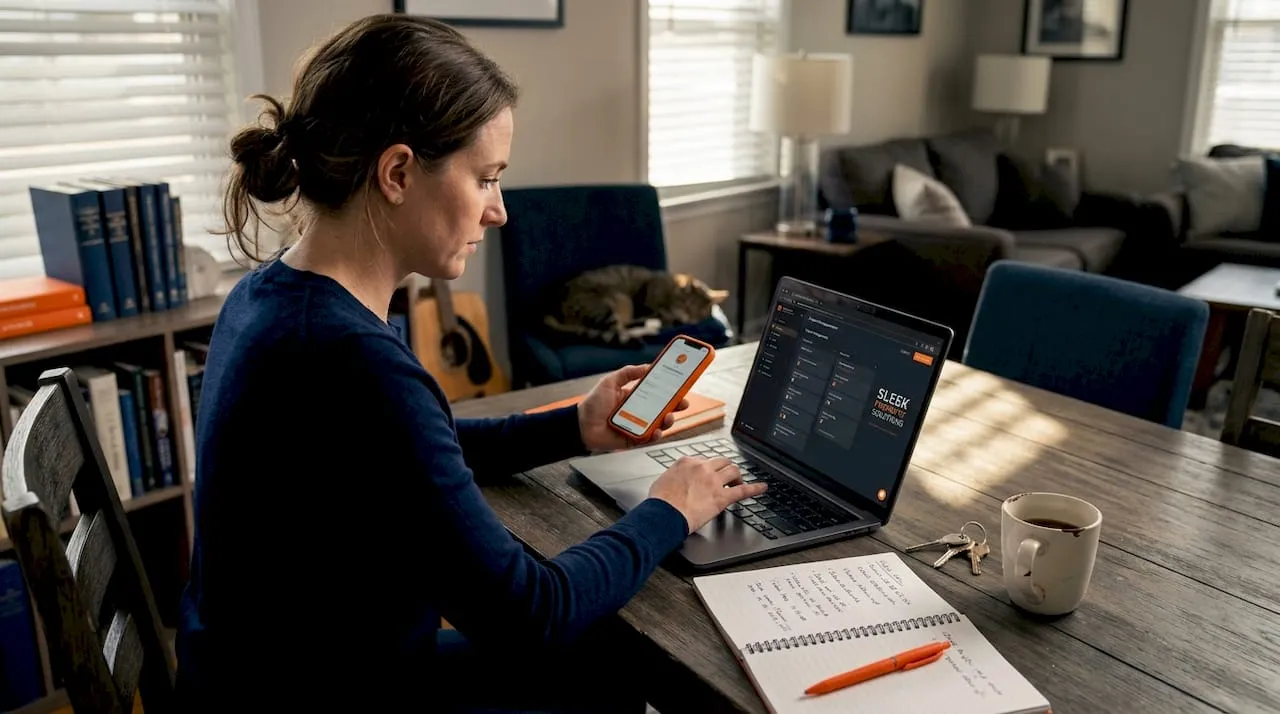
Channel management for vacation rentals: automate, optimize, grow
Listing your vacation rental on five platforms sounds like a revenue multiplier. More visibility, more bookings, more income. But without the right systems behind it, more platforms simply means more chances for double bookings, rate inconsistencies, and guest complaints that tank your reviews. The operators who scale successfully aren’t the ones with the most listings. They’re the ones who manage those listings with precision, automation, and real-time data across every channel simultaneously.
Table of Contents
- The basics: What is channel management?
- How channel management solutions work
- Key features to look for in a channel manager
- The impact of automation: More revenue, less manual work
- What most operators miss about channel management
- Discover next-level channel management with RealtevoOS
- Frequently asked questions
Key Takeaways
| Point | Details |
|---|---|
| Definition clarified | Channel management automates and coordinates your property listings across multiple platforms to reduce errors and save time. |
| Time-saving automation | Advanced solutions sync bookings, rates, and messages instantly, cutting manual work and preventing double bookings. |
| Essential features | The best channel managers offer real-time sync, dynamic pricing tools, and robust automation for serious operators. |
| Boost profitability | Automation not only streamlines operations but also increases revenue through better occupancy and data-driven pricing. |
| Expert setup required | You’ll only get full value by actively configuring advanced rules, automations, and ongoing optimizations. |
The basics: What is channel management?
Channel management is the automated coordination of your property’s availability, rates, and booking data across every online travel agency (OTA) and direct booking channel you use. Think of it as the central nervous system of your rental operation. When a guest books on Airbnb, your channel manager instantly updates your calendar on Vrbo, Booking.com, and your direct booking site so no one else can reserve the same dates.
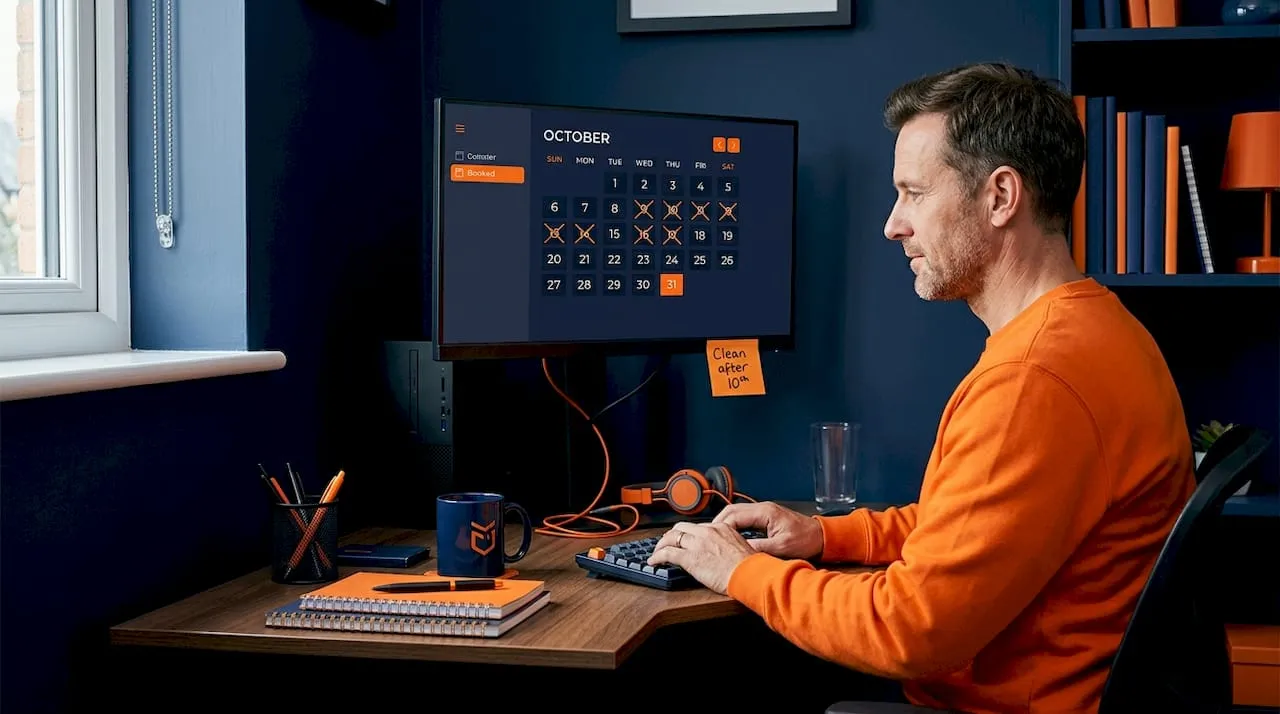
For operators managing a single property on one platform, this isn’t urgent. But the moment you add a second property, a third platform, or a new market, manual management becomes a liability. Updating calendars by hand across four or five platforms after every booking is not just tedious. It’s a guaranteed path to errors.
Why double bookings are a business killer:
- They force you to cancel confirmed reservations, which damages your standing on OTAs
- Cancellations trigger penalties and can suppress your listing in search results
- Guests who get canceled on rarely return and often leave damaging reviews
- Resolving double bookings manually eats hours of staff time per incident
Vacation rental channel management is not optional at scale. It’s the infrastructure that makes multi-platform, multi-property operations viable. As the team at RealtevoOS puts it, channel management software is essential for preventing double bookings and syncing calendars across platforms. Property managers with five or more listings, portfolio operators expanding into new markets, and management companies handling owner properties all fall squarely into the category of operators who need this technology running in the background at all times.
The good news is that once you have a channel manager in place, the operational lift drops dramatically. You stop reacting to errors and start proactively optimizing your portfolio.
How channel management solutions work
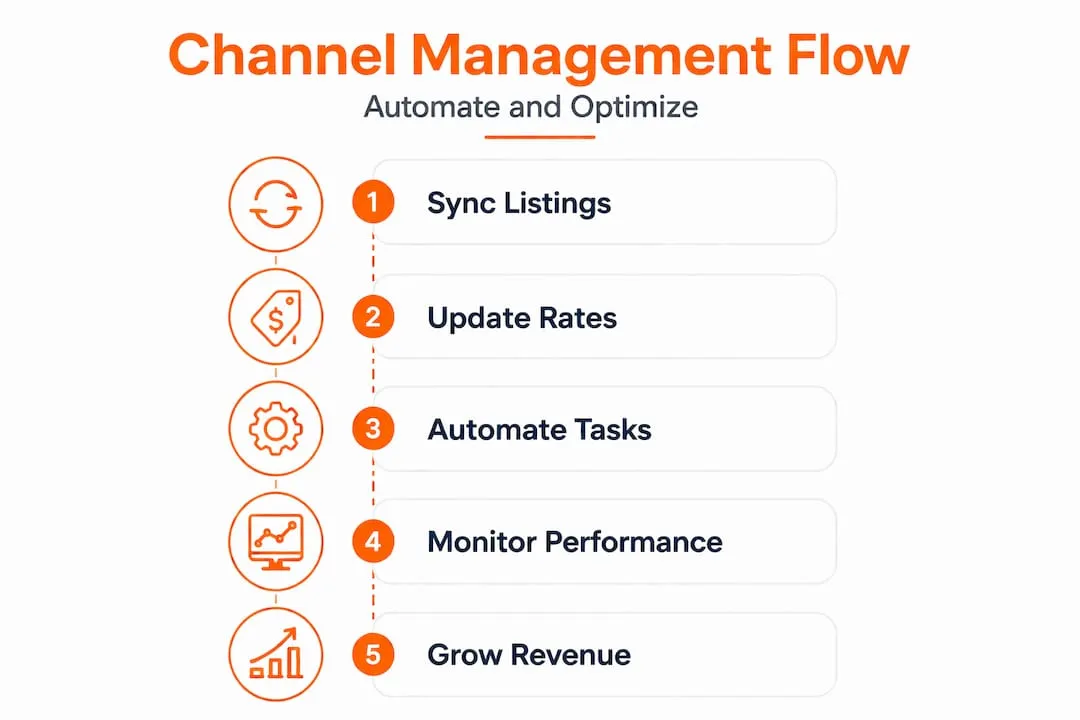
The core mechanic is straightforward. You make a change once, in one place, and that change propagates to every connected platform instantly. Raise your nightly rate for a holiday weekend? Every OTA reflects the new price within seconds. A guest books three nights on Booking.com? Those dates are blocked everywhere else before another traveler can even complete a search.
Here’s how the workflow typically unfolds:
- Connect your platforms. You link Airbnb, Vrbo, Booking.com, and any direct booking channels to your channel manager via API integrations.
- Set your master calendar and rates. Your channel manager becomes the single source of truth for availability and pricing.
- Receive a booking. A reservation comes in from any platform and is immediately recorded in your central dashboard.
- Automatic sync fires. The channel manager pushes updated availability to all connected platforms in real time.
- Automation handles follow-up. Guest messaging, payment processing, and reporting trigger automatically based on rules you’ve set.
- You review data, not tasks. Instead of manually updating five calendars, you’re analyzing performance metrics and optimizing strategy.
The quality of this sync depends heavily on the type of integration. iCal syncing, which many basic tools use, updates on a delay that can range from 15 minutes to several hours. That gap is enough time for a double booking to happen. Integrated channel managers that use direct API connections push updates in real time, which is a meaningful operational difference. As automated channel managers sync availability and rates instantly with connected platforms, the risk of calendar conflicts drops to near zero.
| Integration type | Sync speed | Double booking risk | Best for |
|---|---|---|---|
| iCal | 15 min to 4 hours | Moderate to high | Single property, low volume |
| API (indirect) | 1 to 15 minutes | Low | Small portfolios |
| Direct API | Near real-time | Very low | Multi-property operators |
Pro Tip: When evaluating channel managers, ask vendors specifically whether their connections to Airbnb and Vrbo are direct API integrations or iCal-based. This single question will tell you more about the tool’s reliability than any marketing claim.
Beyond calendar sync, modern channel managers automate guest messaging sequences, trigger cleaning and maintenance schedules, process payments, and generate owner reports. These aren’t nice-to-have extras. For operators managing dozens of properties, they’re what make the business run without a proportionally large support team.
Key features to look for in a channel manager
Not all channel managers are built for the same operator. A tool that works well for someone with two listings on Airbnb will buckle under the demands of a company managing 50 properties across three markets. Here’s what advanced operators should prioritize:
Must-have features checklist:
- Real-time calendar sync via direct API to all major OTAs
- Dynamic pricing integration that adjusts rates based on demand signals, local events, and competitor activity
- Centralized inbox that consolidates guest messages from every platform into one interface
- Automation rules for messaging, reviews, maintenance triggers, and owner reporting
- Unified analytics dashboard with revenue, occupancy, and channel performance data
- Multi-property management with the ability to apply changes across groups of listings simultaneously
- Owner portal so property owners can view their property’s performance without calling you
Comparing advanced property management solutions on these criteria quickly separates enterprise-grade tools from basic calendar syncing apps. As industry data confirms, advanced channel managers offer centralized messaging, dynamic pricing, and robust analytics. These aren’t features you’ll use occasionally. They’re the levers you pull daily to run a profitable operation.
| Feature | Benefit for property managers |
|---|---|
| Real-time sync | Eliminates double bookings across all platforms |
| Dynamic pricing | Maximizes revenue per available night |
| Centralized messaging | Reduces response time, improves guest satisfaction scores |
| Automation rules | Cuts repetitive manual tasks by hours per week |
| Unified reporting | Enables data-driven decisions across your entire portfolio |
| Owner portal | Reduces owner inquiry calls and builds trust |
Pro Tip: Watch for channel managers that charge per-platform connection fees or cap the number of listings you can sync. These hidden costs add up fast as your portfolio grows and can make an otherwise affordable tool expensive at scale.
Choosing the right tool also depends on your growth trajectory. If you’re at 10 properties now but plan to reach 50 in two years, choose a platform built for where you’re going, not where you are today. Migrating channel management tools mid-growth is painful, time-consuming, and risks operational gaps during the transition.
The impact of automation: More revenue, less manual work
Here’s where channel management stops being a defensive tool and becomes an offensive one. Preventing double bookings protects your reputation. Automation drives revenue growth.
Consider what happens without automation. A guest checks out on a Saturday morning. Your cleaning team finishes by 2 PM. But you don’t update the calendar until Monday when you’re back at your desk. That’s a full day and a half of potential bookings lost because a manual step sat in someone’s queue. Multiply that by 20 properties and you’re leaving serious money on the table every single week.
What automation actually recovers for your business:
- Instant calendar updates after checkout, so same-day bookings become possible
- Automatic rate adjustments when demand spikes, capturing premium pricing without manual intervention
- Triggered messaging that keeps guests informed without staff involvement, reducing complaint calls
- Automated review requests sent at the optimal time after checkout, improving your review volume and score
- Maintenance alerts triggered by guest reports, reducing the window between issue identification and resolution
Vacation rental automation benefits extend well beyond the obvious. Operators who fully leverage automation rules report saving 15 to 20 hours per month per property manager on routine communication and calendar management tasks alone. That’s time redirected toward owner relations, business development, and portfolio optimization.
“Advanced automation reduces manual workload and increases total booking revenue by minimizing calendar gaps.” — RealtevoOS
Dynamic pricing is where the revenue impact becomes most visible. A static nightly rate leaves money on the table during high-demand periods and makes you uncompetitive during slow seasons. Channel managers with integrated dynamic pricing engines analyze local event calendars, competitor rates, historical occupancy patterns, and platform-specific demand signals to adjust your rates automatically. The result is higher average daily rates during peak periods and improved occupancy during shoulder seasons, both of which drive total revenue up without any manual effort on your part.
Operators who implement full automation across messaging, pricing, and reporting consistently report occupancy rate improvements of 8 to 15 percent compared to manual management approaches. That’s not a marginal gain. On a portfolio generating $500,000 annually, a 10 percent occupancy improvement translates directly to $50,000 in additional revenue.
What most operators miss about channel management
Here’s the uncomfortable truth that most vendors won’t tell you. The majority of property managers who invest in a channel manager use it for exactly one thing: calendar sync. They connect their platforms, confirm that double bookings have stopped, and consider the job done. The tool sits there doing the bare minimum while its most powerful features go untouched.
This is the real gap in the industry. It’s not a technology problem. It’s an adoption problem.
Dynamic pricing rules sit unconfigured because setting them up requires an hour of work upfront. Automated messaging sequences never get built because someone meant to do it last quarter. Owner reporting templates stay at their defaults because customizing them feels like a project. And so the channel manager becomes an expensive calendar sync tool instead of the operational engine it was designed to be.
The operators who pull ahead aren’t using fundamentally different software. They’re using the same tools more completely. They’ve taken the time to build out messaging automations for every guest touchpoint, from booking confirmation through post-checkout review requests. They’ve configured pricing rules that respond to real market signals. They’ve set up data-driven property management dashboards that surface problems before they become crises.
The contrarian insight here is that channel management ROI is almost entirely determined by setup quality, not software quality. A well-configured mid-tier tool will outperform a poorly configured enterprise platform every time. Before you evaluate new software, audit how deeply you’re using what you already have. You may find that the tool isn’t the bottleneck. Your processes are.
Ongoing optimization matters just as much as initial setup. Markets change. Competitor pricing shifts. Guest expectations evolve. The operators who treat channel management as a living system, one they revisit and refine quarterly, consistently outperform those who set it and forget it. Schedule a monthly review of your automation rules, pricing performance, and channel mix. Treat it like a financial review, because that’s exactly what it is.
Discover next-level channel management with RealtevoOS
If you’ve recognized gaps in how your current setup handles sync, pricing, or automation, the next step is finding a platform built specifically for operators who are serious about scaling.
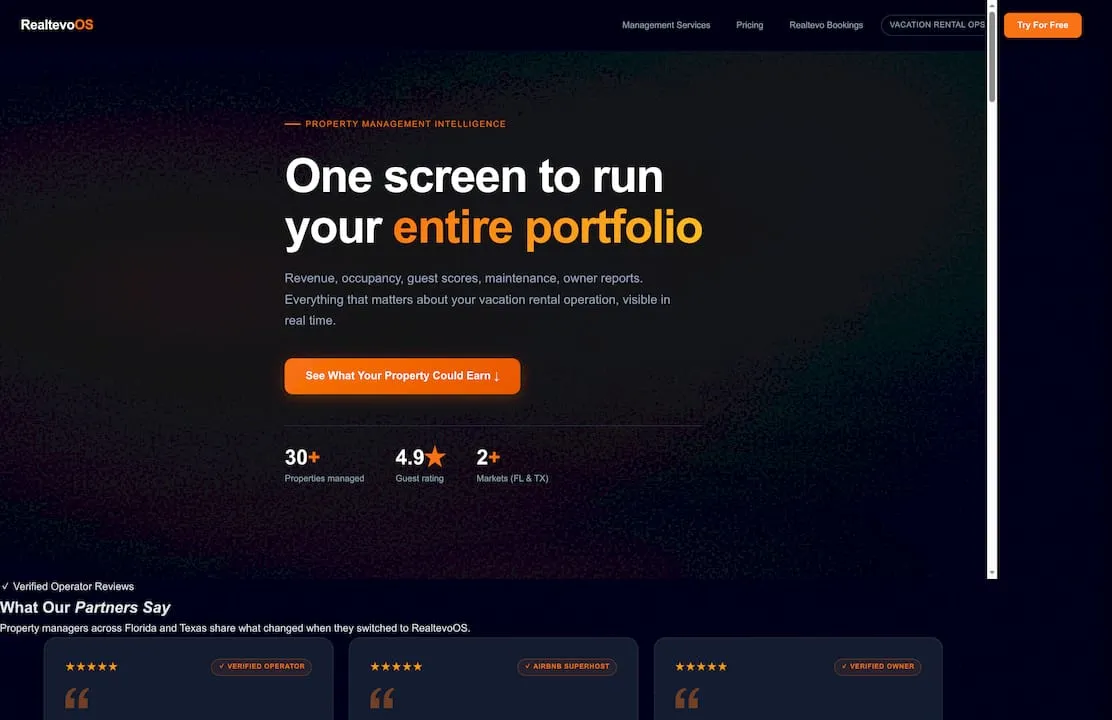
RealtevoOS for channel management brings together real-time calendar sync, AI-driven guest communication, dynamic pricing integration, and unified reporting into a single platform designed for property management companies managing multiple listings across multiple markets. It’s not a basic sync tool. It’s an operational command center that automates the workflows that currently eat your team’s time and replaces manual guesswork with actionable data. If you’re ready to stop managing your channel manager and start letting it manage your operation, RealtevoOS is built for exactly that transition.
Frequently asked questions
How does channel management prevent double bookings?
Channel management software instantly syncs calendars across all platforms, blocking booked dates everywhere the moment a reservation is made. As channel management software confirms, this synchronization is essential for preventing double bookings across connected OTAs.
Can channel managers adjust pricing automatically for market demand?
Yes, advanced channel managers can auto-update pricing using dynamic algorithms based on local demand, seasonality, and competitor activity. Advanced channel managers offer centralized messaging, dynamic pricing, and robust analytics to support this kind of real-time rate optimization.
Do I need a channel manager if I only list on one platform?
If you use one platform exclusively, a channel manager is not essential. It becomes crucial as you expand to multiple listing channels, where channel management software is essential for keeping calendars and rates consistent.
How quickly do changes made in a channel manager reflect on connected OTAs?
With direct API integrations, updates to bookings, rates, and availability are pushed to all platforms within seconds or minutes. Automated channel managers sync availability and rates instantly, which is why direct API connections are strongly preferred over iCal-based syncing.